Automotive Iron Core - Rotor

Custom Metal Stamping Services – Automotive Iron Rotor

Automotive Iron Core - Rotor

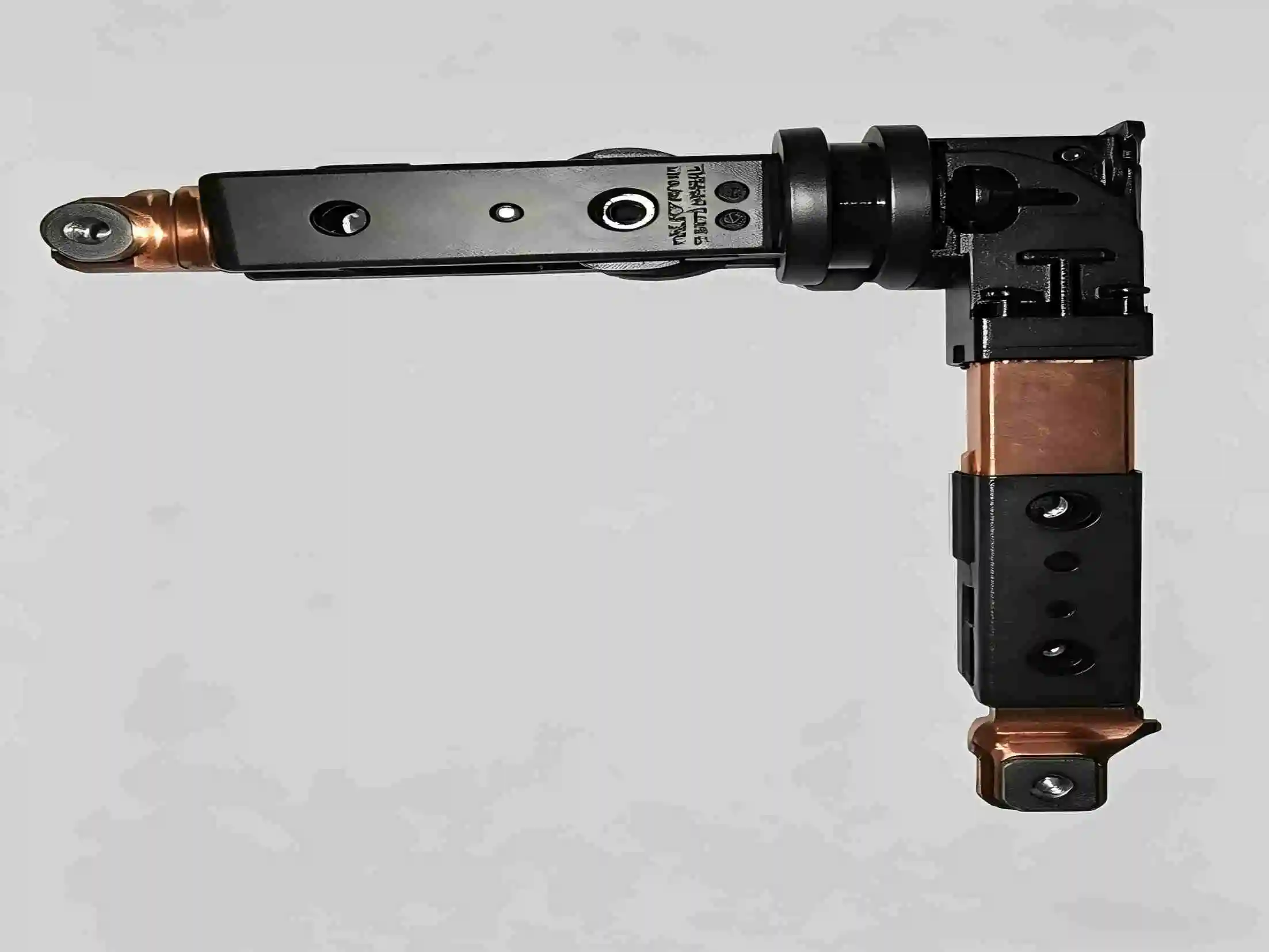
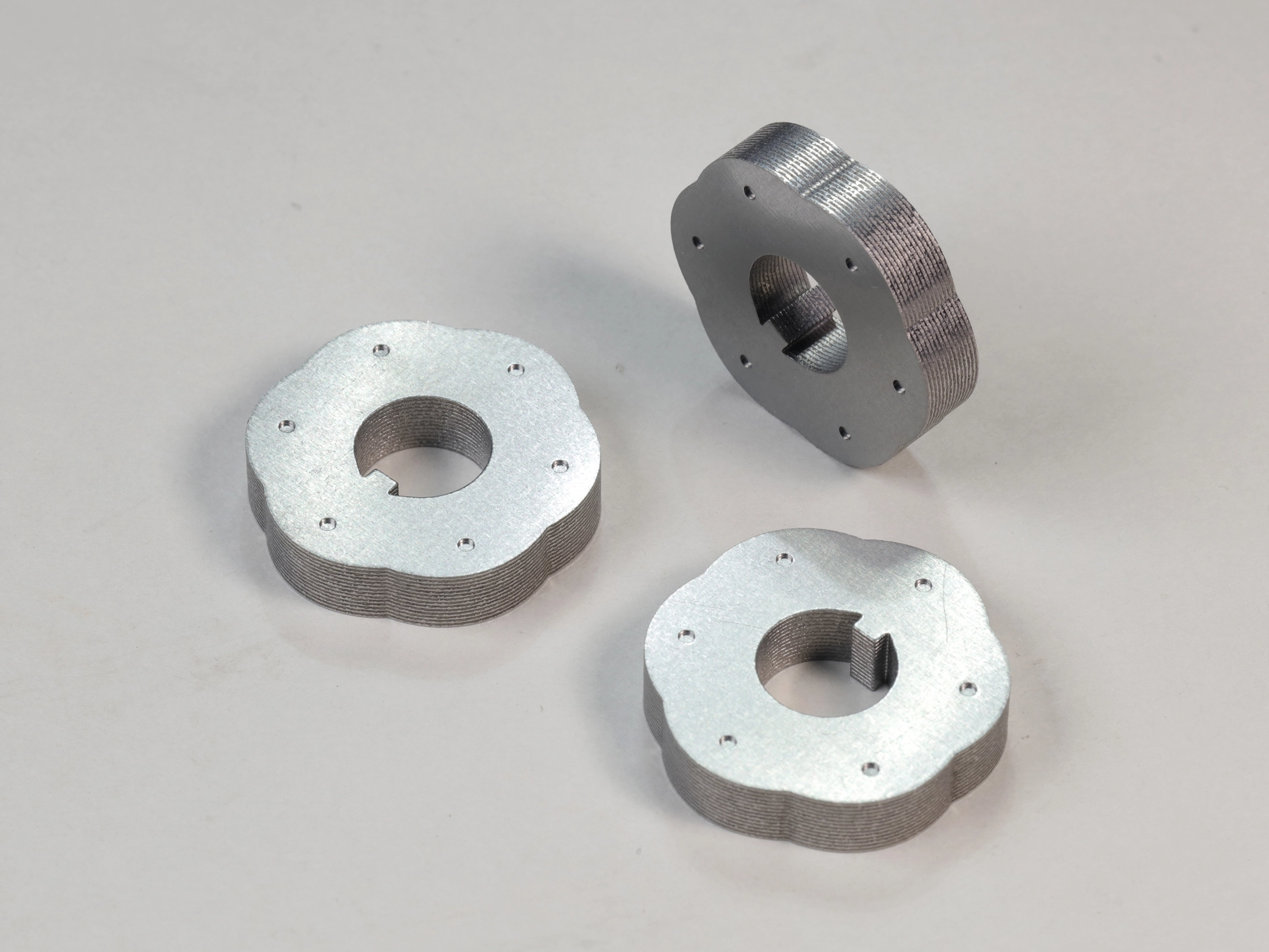
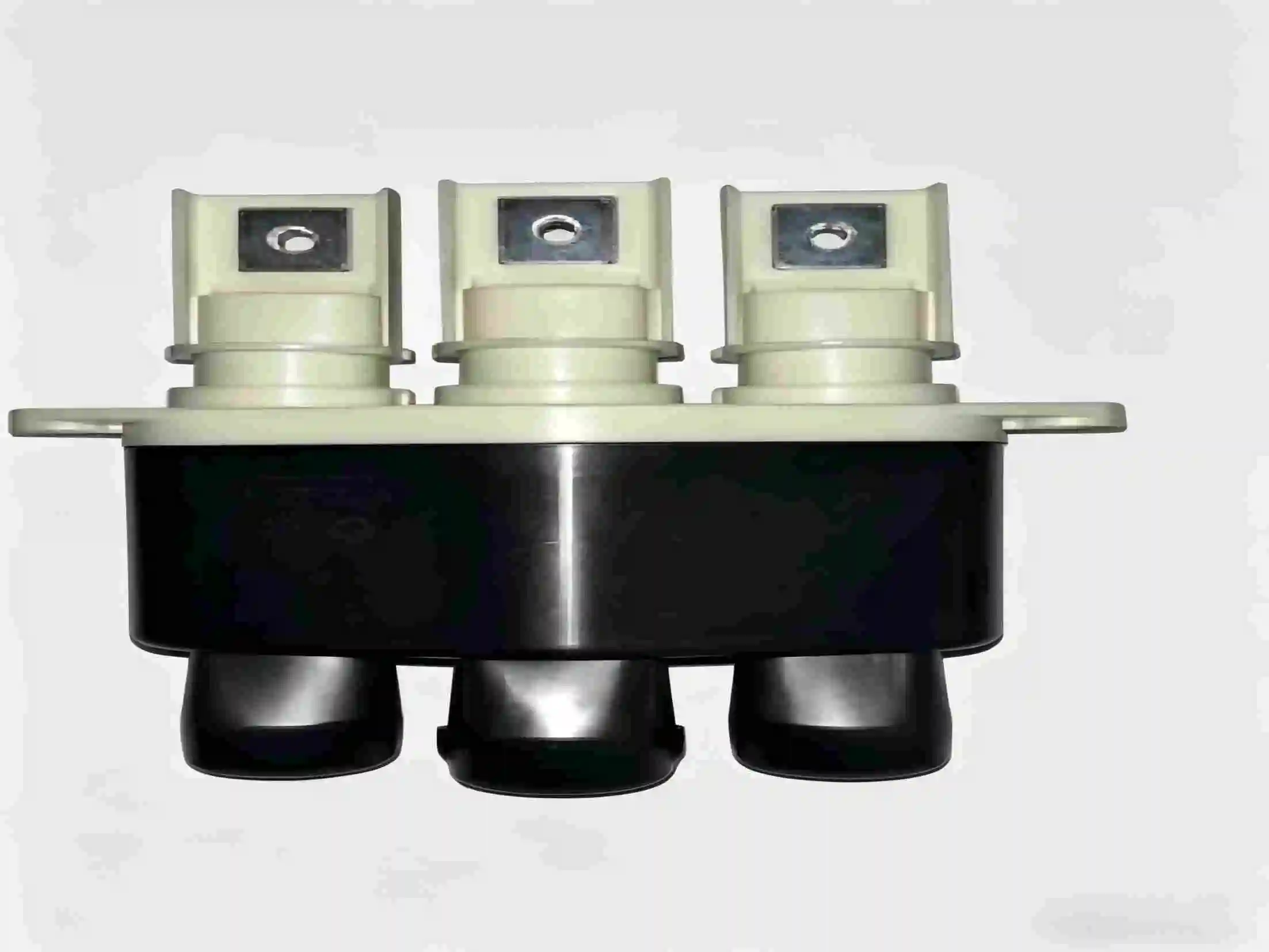
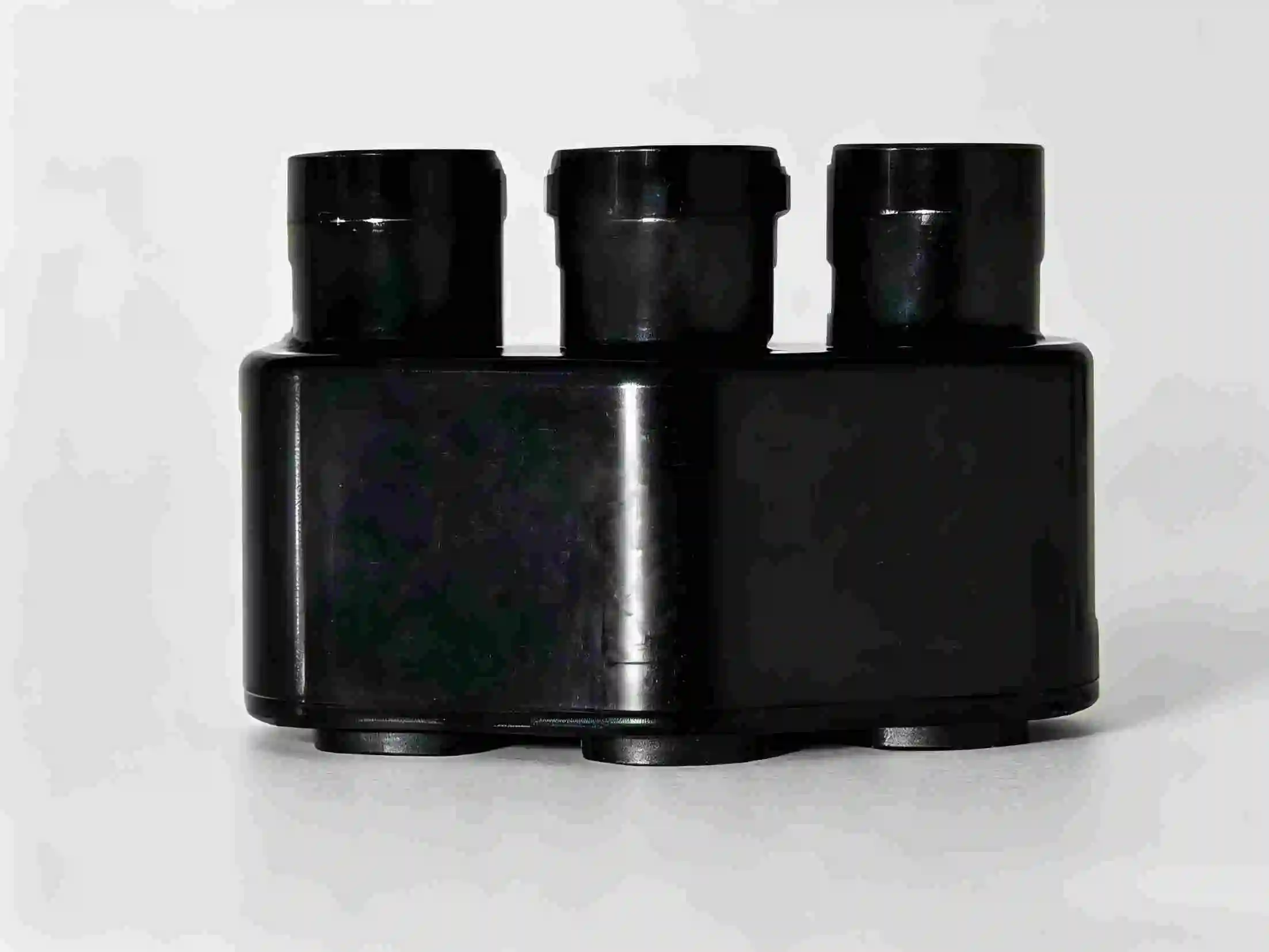
Built for compact, high-efficiency motor assemblies, the Automotive Iron Core - Rotor uses high-grade silicon steel and a laminated, stamped-and-stacked construction. Production can be supported by custom metal stamping services for core geometry and by custom injection molding services when embedded insulation or support structures are required, with surface insulation treatment applied to support durability.

Automotive Iron Core - Rotor

Specifications and Construction

The available product details describe a laminated rotor core built from high-grade silicon steel. Numerical dimensions, material grades, and tolerance figures are not stated in the available product information, so exact values should be confirmed for each motor program during inquiry.

Automotive Iron Core - Rotor
AttributeProduct detail
MaterialHigh-grade silicon steel
ConstructionLaminated, stamped-and-stacked rotor core
Surface treatmentOptimized surface insulation treatment
ToleranceDescribed as tight tolerance and exceptionally tight tolerances; no numerical figure is provided
Lamination thicknessDescribed as consistent; no numerical figure is provided
CustomizationCustom core geometries and sizes; customizable to motor specifications
Manufacturing processesAutomotive metal stamping, precision metal stamping, custom metal stamping, and precision or custom injection molding
Intended applicationsEV traction motors, HEV traction systems, automotive auxiliary motors such as air conditioning, steering, starter, windshield wiper, and fuel pump, and industrial motors such as robotic arms and conveyor motors

Decision Guide for Motor Builds

Use the product details to align the rotor core construction with the motor design, insulation needs, and customization requirements.

Stamped-and-stacked core

The rotor core is built as a laminated, stamped-and-stacked assembly from high-grade silicon steel. This construction is described with tight tolerance control and consistent lamination thickness, which are relevant when the motor design depends on a stable lamination stack.
Injection molding integration

The core is compatible with injection molding integration for embedding insulation and support structures. Consider this path when the motor build needs added insulation or structural support around the laminated core.

Custom geometry and sizing

Core geometries and sizes can be customized to motor specifications. Define the motor envelope, stack requirements, and insulation approach before requesting a quotation.

Use Cases and Operating Context

The Automotive Iron Core - Rotor is intended for traction, auxiliary, and industrial motor applications where a compact laminated core supports efficient magnetic performance.

EV and HEV traction motors

EV traction motors and HEV traction systems can use the rotor core where high-grade silicon steel and laminated construction are part of the motor design.

Automotive auxiliary motors

Automotive auxiliary motor applications include air conditioning, steering, starter, windshield wiper, and fuel pump. The product information also describes suitability for frequent start-stop operation.

Industrial motor applications

Industrial motor applications include robotic arms and conveyor motors, where consistent lamination and mechanical stability are important.

Performance descriptions

The product information describes the core as reducing iron losses, increasing torque density, and improving vibration resistance. These descriptions are qualitative; no test data or measured values are provided in the available product details.

What to Confirm Before Ordering

Because the product information gives qualitative attributes rather than numerical specifications, use the inquiry process to confirm the exact build for your motor.

  1. 1

    Material and construction

    Confirm high-grade silicon steel, laminated construction, and stamped-and-stacked rotor core details.

  2. 2

    Surface insulation treatment

    Confirm that the optimized surface insulation treatment matches the thermal and mechanical conditions of the intended motor.

  3. 3

    Tolerance and lamination thickness

    Ask how tight tolerance control and consistent lamination thickness will be verified for the order; no numerical figures are published in the product details.

  4. 4

    Customization

    Provide motor specifications so core geometry and size can be reviewed for customization.

  5. 5

    Injection molding integration

    If embedded insulation or support structures are needed, confirm the injection molding integration requirements with the supplier.

  6. 6

    Application fit

    Review the intended use case, such as EV or HEV traction, automotive auxiliary motors, robotic arms, or conveyor motors, before finalizing the design.

Related Reading

Three notes to help clarify product requirements before contacting the supplier.

Rotor Core Requirements for Industrial Robot Joint Motors

Robot joint motors are judged on continuous-duty stability, stack consistency, and structural uniformity because those traits decide how the rotor core behaves over long running hours.

Read article

Rotor Core Stability in Start-Stop Automotive Auxiliary Motors

Start-stop duty turns a small auxiliary motor rotor core into a part that must survive thousands of short, repeated load and heat cycles instead of one long steady run.

Read article

How Does Insert Molding Insulate an Automotive Rotor Core?

Insert molding wraps a stamped rotor stack in engineered plastic, so the part gains insulation and structural support without losing the magnetic behaviour the lamination was designed for.

Read article

Frequently Asked Questions

What material is the automotive iron core - rotor made from?

It is made from high-grade silicon steel and built as a laminated, stamped-and-stacked rotor core.

Does the rotor core include surface insulation treatment?

Yes. the product details describe an optimized surface insulation treatment intended to support durability and performance.

Can the core be customized to a motor specification?

Yes. custom core geometries and sizes are available, and the core can be customized to motor specifications.

Which applications is the rotor core intended for?

Intended applications include ev traction motors, hev traction systems, automotive auxiliary motors such as air conditioning, steering, starter, windshield wiper, and fuel pump, and industrial motors such as robotic arms and conveyor motors.

Can the rotor core be combined with injection molding?

Yes. it is compatible with injection molding integration for embedding insulation and support structures.

Are numerical tolerances or material grades published?

The product details describe tight tolerances and consistent lamination thickness, but they do not state numerical tolerance values or material grades. confirm exact requirements during inquiry.